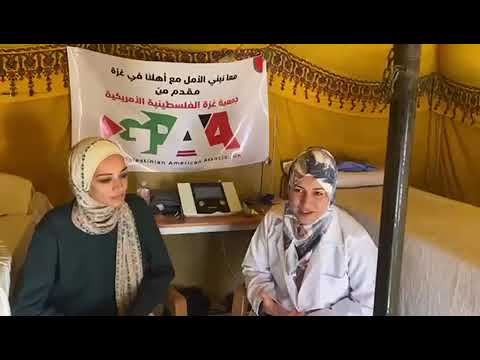
Field Physical Therapy Clinic for the wounded in the displaced camps
Project Summary
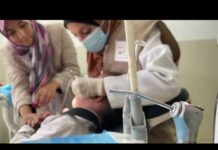
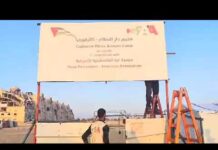
GPAA Association is proud to establish a physiotherapy center that provides motor rehabilitation for injured persons through physiotherapists and specialized equipment ( TENS, ES , Hot tank, tools ). The center’s establishment aims to help restore movement to the injured brothers and sisters in the displaced camps. The location is currently a tent in a displaced in southern Gaza Strip (Dir Al Balah area) serving displaced persons in the southern region of Gaza.
Impact and Results
Establishing a physical therapy clinic specifically for war wounded offers numerous benefits, both for the individuals and society at large. Here are some key advantages:
- Pain Management: Therapists can employ techniques to alleviate pain, reduce discomfort, and improve the quality of life for our injured people.
- Improved Physical Function: Physical therapy can help restore mobility, strength, and flexibility, enabling wounded Gazans to regain independence and participate in daily activities.
- Psychological Well-being: Physical therapy can positively impact mental health by reducing stress, anxiety, and depression associated with injuries and trauma.
- Faster Recovery: Early and consistent physical therapy can accelerate the healing process, leading to quicker recovery times.
- Prevention of Secondary Complications: Regular therapy can help prevent secondary complications such as contractures, muscle atrophy, and joint stiffness. Enhanced Quality of Life: By restoring function and reducing pain, physical therapy can significantly improve overall quality of life.
- Social Integration: Physical therapy can facilitate social integration by helping individuals regain confidence and participate in community activities.